
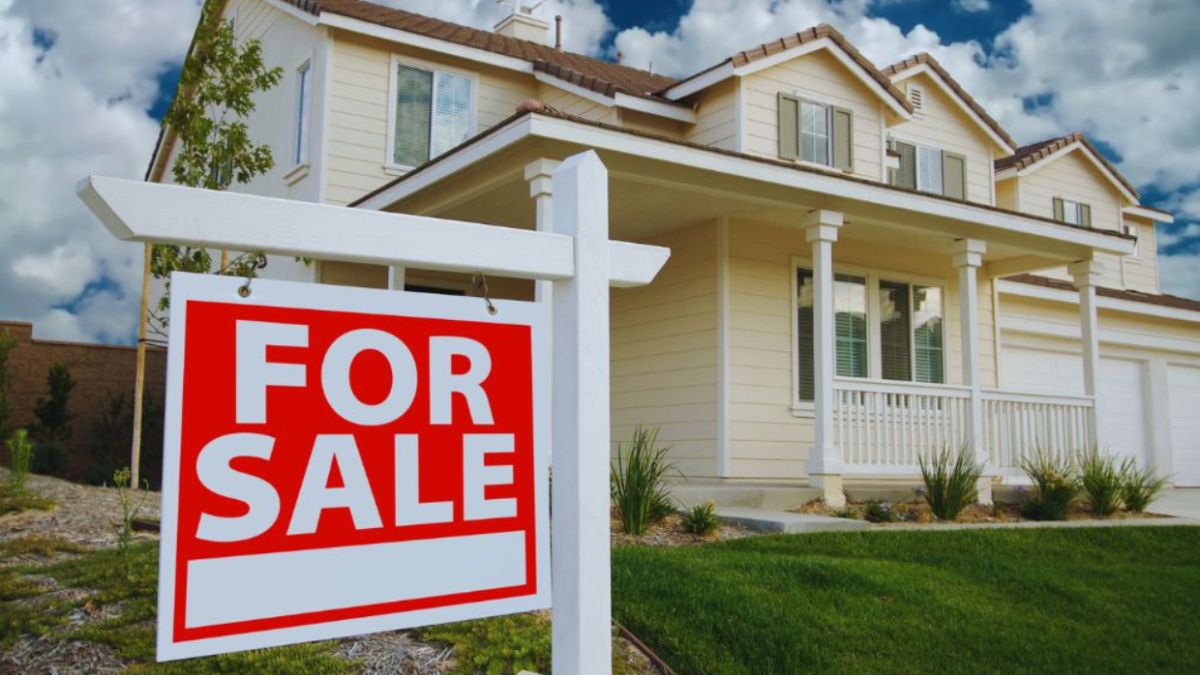
In 2026, many homeowners are finding it increasingly difficult to sell their properties due to a cooling market, higher interest rates, and more cautious buyers. If your home has been on the market for weeks or even months without significant interest, you’re not alone in facing these challenges.
This year’s real estate trends reveal that buyers are becoming more discerning, financing options are stricter, and pricing missteps can quickly deter potential offers. Despite these obstacles, homes are still being sold—but only when they are strategically positioned to attract attention.
This guide delves into why you may feel stuck in your selling process and outlines actionable strategies to help you finally close the deal.
Why You Cannot Sell a House 2026
If you Cannot Sell a House 2026, the issue is rarely “no demand.” Instead, it usually comes down to three factors:
- Overpricing
- Weak presentation
- Poor marketing exposure
According to data published by National Association of Realtors, correctly priced homes attract significantly more interest within the first 30 days on the market.
In 2026, buyers compare dozens of listings online before scheduling a showing. If your home doesn’t immediately stand out, they move on.
Homes that are professionally staged often sell faster because buyers can imagine themselves living there.
Furthermore, recognizing that modern buyers tend to make decisions within seconds of seeing a listing is crucial. If the photos are dimly lit, the spaces look cluttered, or the design seems outdated, potential interest may vanish long before they read the description. Simple enhancements like repainting walls in neutral shades, updating light fixtures, or incorporating minimalistic décor can significantly boost a property’s allure.
Cleanliness and ambiance are vital aspects to consider during showings. A pleasant scent, open curtains letting in natural light, and tidy, well-arranged spaces help establish an inviting atmosphere. Prospective buyers aren’t merely investing in square footage; they are seeking a lifestyle. The easier it is for them to envision living comfortably in the space, the stronger their emotional attachment will be.
Curb appeal plays a crucial role and should not be overlooked. A neatly trimmed lawn, a spotless entryway, and a well-kept exterior create the first impression that sets the tone for potential buyers before they even walk through the door. Simple updates and strategic presentation can significantly alter the perception of a home, often becoming the key factor in drawing in serious offers.
Pricing Mistakes That Kill Deals
The most common reason homeowners Cannot Sell a House 2026 is unrealistic pricing.
Many sellers base prices on:
- Emotional attachment
- What neighbors are asking
- Renovation costs
But buyers focus on comparable recent sales — not listing prices.
To avoid this mistake:
- Review closed sales in the last 3 months
- Consider a professional appraisal
- Analyze price-per-square-foot trends
If your home has been sitting without offers, a strategic price adjustment can instantly increase interest.
Presentation and First Impressions
By the year 2026, initial impressions predominantly occur in online environments. Prospective buyers swiftly navigate through listings, making high-quality, professional visuals increasingly vital for capturing attention and influencing decision-making.
If you Cannot Sell a House 2026, evaluate:
- Listing photos quality
- Lighting and staging
- Decluttering and depersonalizing
- Exterior curb appeal
Homes that are professionally staged often sell faster because buyers can imagine themselves living there.
Marketing in a Digital Market
Selling real estate is no longer just about putting a sign in the yard.
Today’s buyers search primarily through platforms such as Zillow and Realtor.com.
To improve exposure:
- Use high-resolution photography
- Add virtual tours
- Share listings on social media
- Highlight unique features
If your property lacks visibility, fewer buyers will even consider it.
Negotiation Strategies That Work
Another reason sellers Cannot Sell a House 2026 is inflexible negotiation.
In a cautious market, buyers may request:
- Inspection repairs
- Closing cost assistance
- Flexible move-in dates
Rather than rejecting offers outright, consider strategic compromises.
Flexibility often makes the difference between “no deal” and “closed.”
When to Adjust Your Strategy
If your listing has received little interest after 30–60 days, it may be time to:
- Reevaluate price
- Refresh listing photos
- Change marketing channels
- Consult a different agent
The housing market changes quickly. Staying rigid can cost time and money.
For housing data trends, the U.S. Census Bureau provides housing statistics here
Emotional Factors You Shouldn’t Ignore
Selling a home is personal. However, emotional attachment can prevent rational decisions.
Ask yourself:
- Are you pricing based on memory or market value?
- Are you delaying necessary updates?
- Are you rejecting reasonable offers?
The goal is not just to sell — but to sell smart.
Conclusion
If selling a house becomes difficult in 2026, relying on a strategy of waiting and hoping seldom leads to success. Achieving a successful sale depends on accurate pricing, compelling presentation, impactful marketing, and adaptability during negotiations.
The real estate market that year will favor those who are prepared and employ strategic planning. By refining your methods and aligning with buyer expectations, you can greatly enhance your likelihood of finalizing the sale.
When approached with the right pricing strategy, high visibility, and a willingness to adapt, even the most challenging properties can be transformed into successful sales.
If you noticed an error or have additional information, please contact our editorial team through the Contact page.