
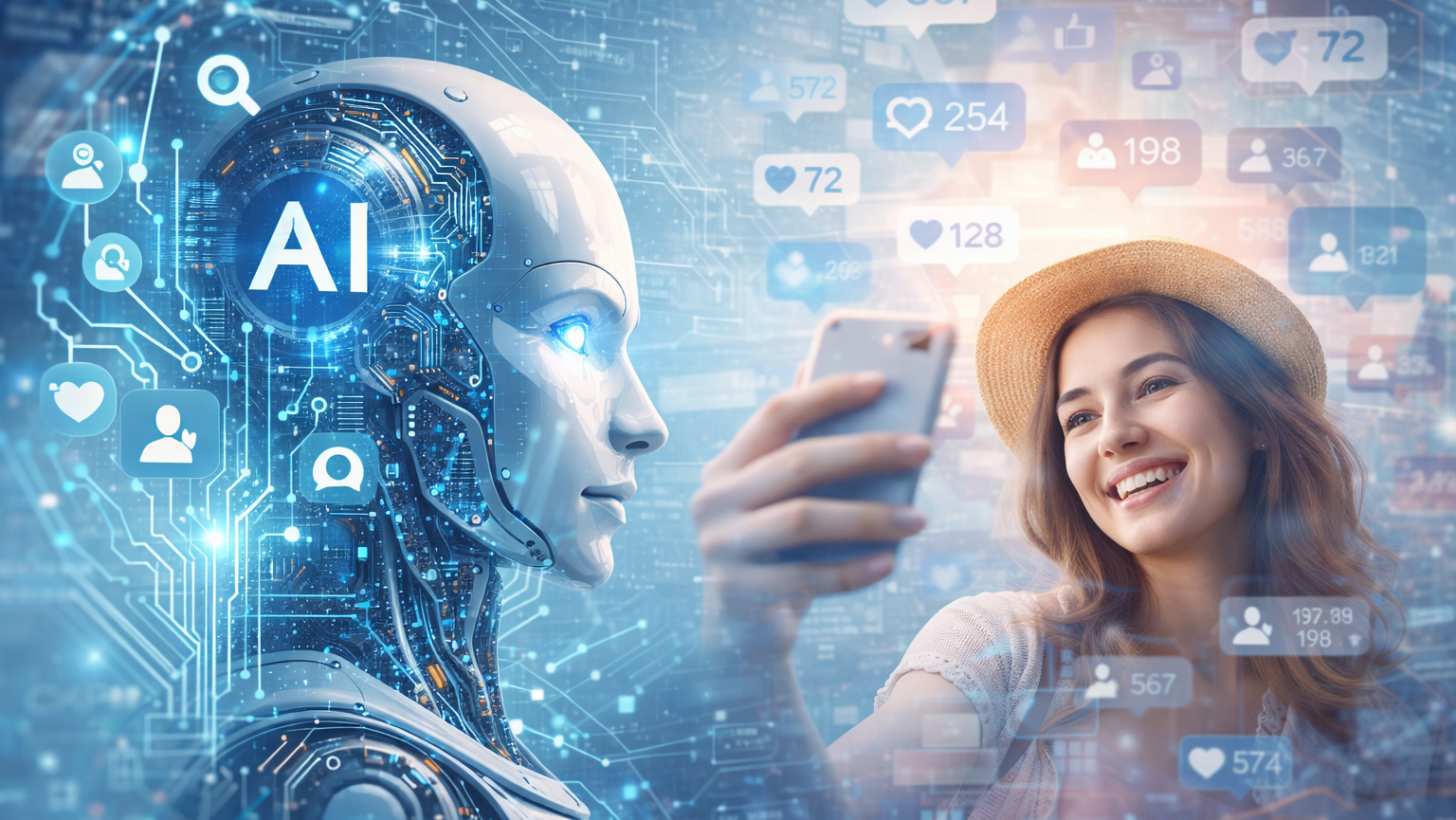
What Is AI in Influencer Marketing?
AI in influencer marketing refers to the application of artificial intelligence technologies — machine learning, natural language processing, computer vision, and predictive analytics — to automate, optimize, and scale every stage of influencer campaigns. From discovering the right creators to measuring post-campaign ROI, AI is fundamentally reshaping how brands connect with audiences through trusted voices.
The global influencer marketing industry is expected to surpass $32 billion by 2025, according to Influencer Marketing Hub. Yet without intelligent tools, managing thousands of creator relationships, verifying authenticity, and proving return on investment remained a chaotic, manual process. AI changes all of that — and it’s changing it fast.
Why AI in Influencer Marketing Is Booming Right Now
The proliferation of artificial intelligence within the realm of influencer marketing has become increasingly prominent and indispensable as we approach 2026. A combination of significant factors underscores this trend, beginning with the overwhelming number of content creators actively engaging online platforms. For instance, Instagram alone accommodates over 200 million business accounts, rendering traditional, human-centered methods of reviewing and selecting influencers operationally unmanageable at scale. Concurrently, target audiences have demonstrated heightened expectations, seeking authentic and contextually relevant content over generic promotional endorsements.
This dynamic is further complicated by the exponential growth of short-form video content across platforms such as TikTok, YouTube Shorts, and Instagram Reels, which has introduced additional layers of complexity to influencer marketing strategies. Artificial intelligence has emerged as a transformative tool in this environment, capable of processing vast quantities of data—including variables such as engagement metrics, audience demographics, qualitative sentiment analysis, and follower trajectory rates—with remarkable speed and precision. These AI-powered insights, which might otherwise demand weeks of manual analysis by human experts, are delivered almost instantaneously, significantly enhancing the capacity for data-driven decision-making in influencer campaigns.
AI-Powered Influencer Discovery and Matching
One of the most transformative applications of AI in influencer marketing is creator discovery. Traditional methods relied on keyword searches, follower counts, and gut instinct. AI platforms like GRIN and Traackr now analyze hundreds of variables to surface the ideal creator for any brand brief.
What AI Looks at Beyond Follower Count
Modern AI matching engines evaluate audience quality, not just size. They assess the authenticity of engagement (real comments vs. bot activity), audience demographic overlap with the brand’s target customer, content tone and brand safety scores, historical campaign performance, and even psychographic alignment between a creator’s audience and the brand’s values.
This shift from vanity metrics to meaningful data is one of the most significant ways AI in influencer marketing is delivering real business value. A nano-influencer with 12,000 highly engaged followers in a specific niche can dramatically outperform a celebrity with 5 million passive followers for the right product category.
Fighting Fake Followers with AI
Influencer fraud — inflated follower counts purchased from bot farms — costs brands an estimated $1.3 billion per year globally. Manual auditing is both time-consuming and unreliable. AI fraud detection tools have become indispensable.
These systems use machine learning models trained on millions of accounts to identify suspicious patterns: sudden follower spikes, abnormally low engagement-to-follower ratios, geographically inconsistent audiences, and comment patterns typical of automated activity. Platforms like HypeAuditor report that AI-powered audits can detect fraud with over 95% accuracy.
Measuring ROI: How AI in Influencer Marketing Changes Analytics
Historically, proving the ROI of influencer marketing was notoriously difficult. Marketers relied on vanity metrics — likes, views, reach — that didn’t connect cleanly to revenue outcomes. AI-powered analytics platforms are solving this problem by integrating campaign data with e-commerce, CRM, and attribution systems to track the full customer journey.
Real-time dashboards now allow brand managers to monitor not just engagement but conversion rates, cost-per-acquisition, earned media value, and sentiment shifts — all attributed to specific influencer posts. This level of transparency is transforming influencer marketing from a “brand awareness play” into a performance marketing channel with accountable, measurable results.
Conclusion
AI in influencer marketing is no longer a futuristic concept — it is the operating standard for competitive brands in 2026. From intelligent creator discovery and fraud detection to predictive content optimization and virtual influencers, artificial intelligence is making campaigns smarter, safer, and far more measurable than ever before.
Brands that embrace AI in influencer marketing now will gain a compounding advantage: better partnerships, more authentic content, cleaner data, and superior ROI. Those that delay risk being outmaneuvered by competitors who are already leveraging these tools at scale.
The influencer economy is too large and too competitive to navigate by instinct alone. Let AI be your edge — and your compass.
If you noticed an error or have additional information, please contact our editorial team through the Contact page.