
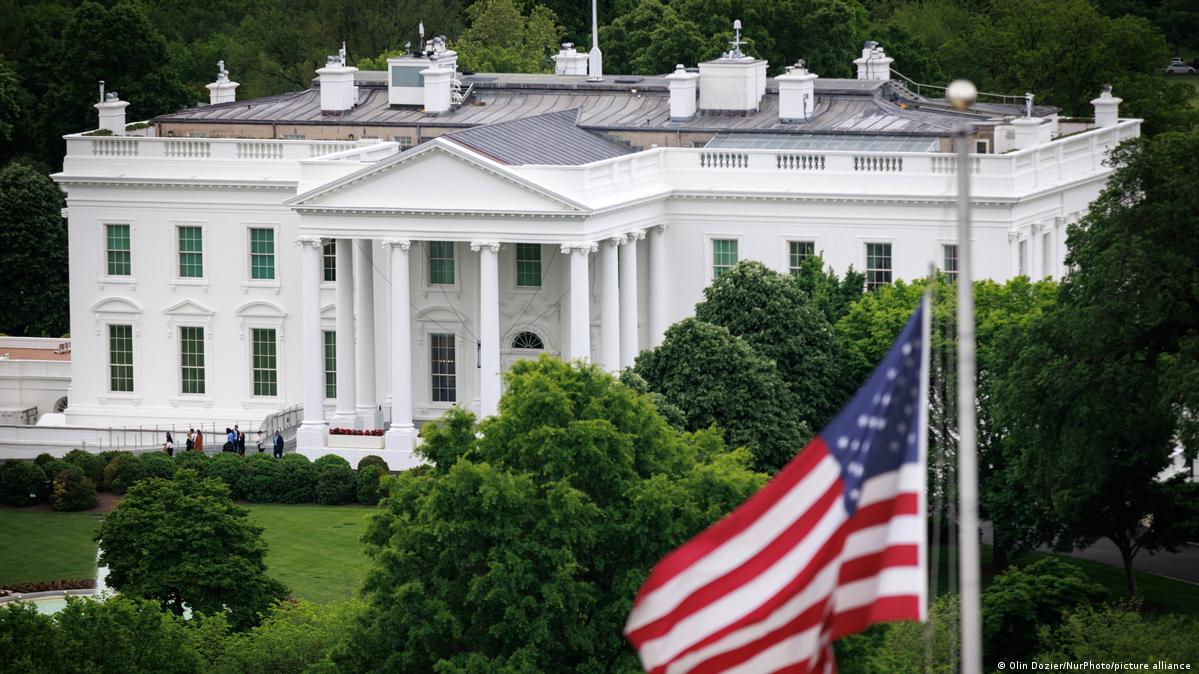
Major Policy Changes Affecting Americans in 2026 are shaping the economic, social, and political landscape of the United States. As the country continues to address evolving challenges — from economic recovery to technological transformation — new policies introduced at the federal and state levels are influencing daily life for millions of Americans.
Government decisions related to taxation, healthcare, infrastructure, and emerging technologies are expected to play a significant role in determining how businesses operate, how families manage expenses, and how communities develop in the coming years.
Understanding these major policy changes affecting Americans in 2026 can help citizens stay informed and prepared for the future.
Economic Policy Adjustments
One of the most important major policy changes affecting Americans in 2026 involves economic policy reforms aimed at stabilizing growth while addressing inflation and workforce challenges.
Recent discussions in Washington have focused on:
- Supporting small businesses through tax incentives
- Strengthening domestic manufacturing
- Expanding workforce development programs
- Encouraging innovation in technology sectors
According to economic analysis published by the Brookings Institution, economic policies in the coming years will likely prioritize productivity growth and long-term competitiveness
These changes aim to strengthen the American economy while maintaining global leadership in innovation and trade.
Healthcare Policy Updates
Healthcare remains a central policy issue in the United States, and several reforms are influencing how Americans access medical services.
Key healthcare policy discussions include:
- Expanding access to affordable healthcare coverage
- Reducing prescription drug prices
- Increasing investment in mental health services
- Strengthening public health preparedness
The U.S. Department of Health & Human Services continues to publish updates and research related to healthcare policy development
These reforms aim to improve accessibility while controlling the rising costs of healthcare.
Technology and AI Regulation
Another significant area of major policy changes affecting Americans in 2026 involves regulation of artificial intelligence and digital technologies.
As AI tools rapidly expand across industries, policymakers are considering new regulations related to:
- Data privacy and consumer protection
- Ethical use of artificial intelligence
- Algorithm transparency
- Cybersecurity standards
Technology policy organizations such as the Center for Strategic and International Studies analyze the potential regulatory frameworks for emerging technologies
Balancing innovation with consumer protection has become a major policy challenge.
Education Policy Developments
Another area of major policy changes affecting Americans in 2026 involves education policy and workforce preparation. Policymakers continue to debate how the U.S. education system should adapt to a rapidly changing labor market shaped by technology and automation.
Key discussions include:
- Expanding vocational and technical training programs
- Increasing investment in STEM education
- Addressing student loan debt challenges
- Supporting digital learning infrastructure in schools
Educational policy experts emphasize that improving access to modern skills training is essential for maintaining the country’s competitiveness in emerging industries.
Many states are also experimenting with new approaches to workforce education, including partnerships between universities, community colleges, and private technology companies.
Immigration Policy Discussions
Immigration policy remains one of the most debated political issues in the United States. In 2026, policymakers continue to discuss reforms aimed at balancing economic needs, humanitarian responsibilities, and border security concerns.
Some proposals being discussed include:
- Updating visa systems for skilled workers
- Strengthening border management systems
- Addressing long-term residency status for undocumented immigrants
- Expanding legal immigration pathways for critical industries
These policy discussions affect labor markets, economic growth, and the broader social landscape of the country.
Infrastructure Investment Programs
Infrastructure modernization is another priority shaping major policy changes affecting Americans in 2026.
Federal initiatives aim to upgrade:
- Transportation systems
- Public transit networks
- Broadband internet access
- Energy infrastructure
According to the U.S. Department of Transportation, infrastructure investment supports economic growth and improves connectivity across regions
Improving roads, bridges, and digital infrastructure helps strengthen local economies and increase mobility for millions of Americans.
Climate and Energy Policy Shifts
Climate policy continues to influence national and state-level decision making.
Key initiatives include:
- Expanding renewable energy production
- Supporting electric vehicle adoption
- Reducing carbon emissions
- Encouraging sustainable infrastructure development
The U.S. Environmental Protection Agency regularly publishes updates on environmental policy and climate initiatives
These efforts aim to balance economic growth with environmental responsibility.
Housing and Cost-of-Living Policies
Housing affordability has become a major concern for many American households.
Government policy discussions focus on:
- Increasing housing supply
- Supporting affordable housing programs
- Reducing barriers to construction
- Addressing rising rental costs
According to research published by the Urban Institute, housing policy reforms may play a crucial role in addressing affordability challenges across major cities
These policy changes aim to improve housing access and stabilize local housing markets.
Conclusion
The major policy changes affecting Americans in 2026 reflect a broader effort to address economic stability, technological transformation, and social well-being.
From healthcare reform and housing affordability to technology regulation and infrastructure investment, these policies will shape how Americans live, work, and interact with emerging technologies.
While many of these changes continue to evolve through legislative processes and policy debates, staying informed about major policy changes affecting Americans in 2026 helps citizens understand how government decisions influence everyday life.
As the United States moves forward, the impact of these policies will continue to shape the nation’s economic growth, technological development, and social stability in the years ahead.