
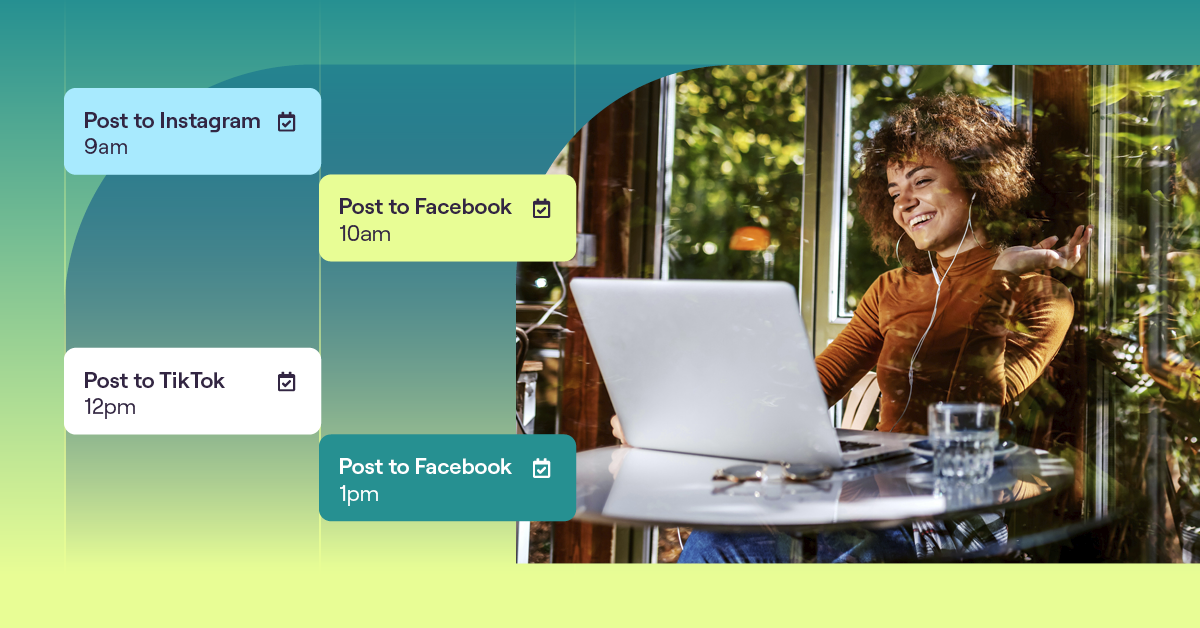
Best Time to Post on Social Media remains one of the most searched topics among creators and marketers in 2026. As competition increases, timing has become a strategic growth lever rather than a random decision.
According to research published by Sprout Social, engagement patterns consistently vary by platform and weekday trends, confirming that posting time directly affects reach performance
Understanding the best time to post on social media helps creators maximize early engagement — a key ranking factor in most algorithms.
Why Timing Impacts Algorithm Performance
Most major platforms prioritize content that generates quick interaction. When posts receive engagement within the first 30–60 minutes, distribution expands significantly.
As explained in HubSpot’s marketing research on social media timing
early engagement increases visibility because algorithms interpret it as high-value content.
This is why the best time to post on social media is not just about convenience — it is about triggering momentum.
General Best Time to Post on Social Media (Global Trends)
Based on aggregated data from Buffer’s publishing analysis:
the most consistent high-engagement windows are:
- Weekdays between 9 AM – 12 PM
- Evenings between 6 PM – 9 PM
- Midweek (Tuesday–Thursday)
- Lower engagement typically on Sundays
These trends align with common behavioral patterns — morning scrolling, lunch breaks, and evening relaxation browsing.
However, these are averages. Your specific audience data matters more.
How Seasonality Affects the Best Time to Post on Social Media
One factor often overlooked when discussing the best time to post on social media is seasonality.
Audience behavior shifts throughout the year:
- Summer months often show lower daytime engagement
- Holiday seasons increase evening scrolling
- Back-to-school periods change daily routines
- Major global events shift platform traffic patterns
For example, during Q4 (October–December), users tend to spend more time online in the evenings due to holiday shopping and entertainment consumption. In contrast, summer schedules are less predictable, especially among younger audiences.
Creators and brands should revisit posting data every quarter instead of relying on fixed yearly assumptions.
B2B vs B2C: Different Posting Logic
The best time to post on social media depends heavily on whether you operate in a B2B or B2C environment.
B2B Content
- Peak engagement: Tuesday–Thursday
- Morning hours (8 AM – 11 AM)
- Workday scrolling behavior
Professionals typically check LinkedIn and Twitter (X) during business hours, especially before meetings or during short breaks.
B2C Content
- Evenings (6 PM – 10 PM)
- Weekends
- Entertainment-focused hours
Consumer-focused brands benefit from posting when audiences are relaxed and open to discovery.
Understanding your audience’s mindset at different times of day is critical.
The Psychology of Scrolling Behavior
Timing works because it aligns with psychological states.
Morning scrolling = information seeking
Midday scrolling = distraction
Evening scrolling = entertainment & passive consumption
When thinking about the best time to post on social media, consider the emotional state of your audience:
- Is your content educational? Post earlier.
- Is it entertaining? Evenings perform better.
- Is it professional insight? Align with work hours.
Matching content type with emotional context increases performance.
Platform-Specific Insights
Different platforms show distinct activity curves.
Data reviewed by Hootsuite’s algorithm breakdown indicates that Instagram engagement peaks during late mornings and evenings:
https://blog.hootsuite.com/social-media-algorithm/
Reels often perform better after 7 PM when users consume short-form video passively.
Platform-Specific Insights
Different platforms show distinct activity curves.
Data reviewed by Hootsuite’s algorithm breakdown indicates that Instagram engagement peaks during late mornings and evenings:
Reels often perform better after 7 PM when users consume short-form video passively.
TikTok
TikTok audiences tend to be active later in the day, especially Gen Z users. Industry benchmarking data from Influencer Marketing Hub supports evening peak engagement patterns
This suggests that the best time to post on social media varies heavily by platform behavior.
LinkedIn remains business-oriented. Posting between 8 AM – 10 AM on weekdays performs best, as supported by professional engagement studies summarized by Social Media Today
Since LinkedIn users browse during working hours, timing aligns with professional routines.
The Role of Audience Demographics
The real best time to post on social media depends on:
- Geographic location
- Age group
- Lifestyle habits
- Work schedule
According to global social media usage data from Statista
user activity varies significantly by region and device usage patterns.
If 70% of your audience is in North America, posting based on European peak times may reduce visibility.
Analytics dashboards should guide your decisions more than generic advice.\
Testing Strategy: Data Over Assumptions
While research provides guidelines, creators should test their own posting windows.
A structured 30-day experiment — adjusting publishing times and tracking engagement — delivers clearer insights than copying universal recommendations.
The best time to post on social media is ultimately when your specific audience is active and responsive.
Timing amplifies content. It does not replace quality.
Conclusion
Finding the best time to post on social media requires combining platform data, behavioral psychology, and analytics testing.
Industry research from Sprout Social, HubSpot, Buffer, and other digital marketing authorities consistently confirms that timing influences early engagement — and early engagement drives reach.
However, the most successful creators in 2026 understand one key principle:
Timing supports strong content. It does not fix weak content.
To maximize results:
- Study your audience insights
- Test different time slots
- Track engagement metrics
- Optimize consistently
The best time to post on social media is when your audience is most active — and when your content is strong enough to keep them engaged.